How Poor Indoor Air Quality Affects Your Skin
-
1 min read
While outdoor pollution gets a lot of attention, indoor air quality is just as important, especially when you consider factors like limited ventilation and concentrated pollutants.
Everyday activities like cooking, cleaning, and using personal care products can introduce particles and chemicals into the air. In urban areas, the combination of outdoor pollution entering buildings and indoor contaminants can contribute to poor air quality indoors. Without proper airflow or filtration, these pollutants can accumulate and linger.
Poor indoor air quality can influence how your skin feels and responds over time. In many cases, these environmental factors are subtle but persistent. Understanding indoor air quality is the first step toward creating a clean, comfortable environment for both your living space and your skin.
Common Indoor Air Pollutants That Affect Skin
Common indoor air pollutants include:
- Fine particulate matter: Microscopic particles suspended in the air that can originate from sources like cooking, smoke, and outdoor pollution
- Volatile organic compounds (VOCs): Gases released from household products such as paints, cleaners, and furnishings that can accumulate in indoor environments
- Biological contaminants: Naturally occurring particles that can thrive where moisture and dust are present
Even outdoor air that enters the home can carry harmful pollutants. Over time, consistent exposure to poor air quality may contribute to environmental stress on the body.
Scientific research has shown that airborne particles such as PM2.5 can carry harmful substances that settle on surfaces, including skin. Meanwhile, VOCs released from paints, fragrances, and household items can react in the air to form secondary pollutants.
Signs of Poor Indoor Air Quality
Recognizing the signs of poor indoor air quality can help you take action early:
- Lingering or unusual odors that don’t dissipate with ventilation
- Excessive dust buildup or frequent need for cleaning surfaces
- Uneven humidity levels, either too dry or too humid
- Condensation forming on windows
- Stale air or rooms that feel stuffy even after airing out
Monitoring and reducing these pollutants is essential for maintaining a balanced indoor environment. This is where tools like an indoor air quality monitor become especially useful.
Key Air Quality Indicators
Understanding key air quality indicators can help you better interpret your environment and take informed action. These metrics are commonly measured during indoor air quality testing and provide insight into pollutant levels and comfort conditions.
|
Air Quality Indicator |
Description |
Examples |
|
PM2.5 / PM10 |
Fine particulate matter such as PM2.5 and PM10 consists of tiny particles that remain suspended in the air for long periods |
Cooking fumes, wildfire smoke, vehicle emissions, dust |
|
VOC / TVOC |
Volatile organic compounds (VOCs) and total VOCs (TVOC) are gases emitted from household products. Elevated levels may indicate chemical buildup in poorly ventilated indoor areas. |
Paint, cleaning sprays, air fresheners, new furniture |
|
Humidity |
Indoor humidity levels affect comfort and pollutant behavior, with ideal ranges typically between 30–50%. Too much moisture can encourage mold growth, while overly dry air may lead to discomfort. |
Bathrooms, kitchens, humid climates, dry winter air |
|
Temperature |
Temperature influences how pollutants circulate and how comfortable an indoor space feels. Stable indoor temperatures help maintain balanced air conditions and support consistent indoor monitoring. |
Heating systems, air conditioning, seasonal changes |

Tools To Improve Indoor Air
Creating a comfortable indoor environment often involves a combination of products and strategies. Each tool addresses different aspects of indoor air quality, from removing particles to balancing moisture levels.
Home Air Quality Monitors
An indoor air quality monitor provides real-time data on pollutants such as PM2.5, TVOC, temperature, and humidity. These devices help you understand how everyday activities impact your environment and when adjustments may be needed. By tracking trends over time, you can make more informed decisions about ventilation and air purification.
Many modern monitors offer app connectivity, allowing you to check conditions even when you’re not at home. This can be especially useful for identifying patterns linked to specific activities or times of day.
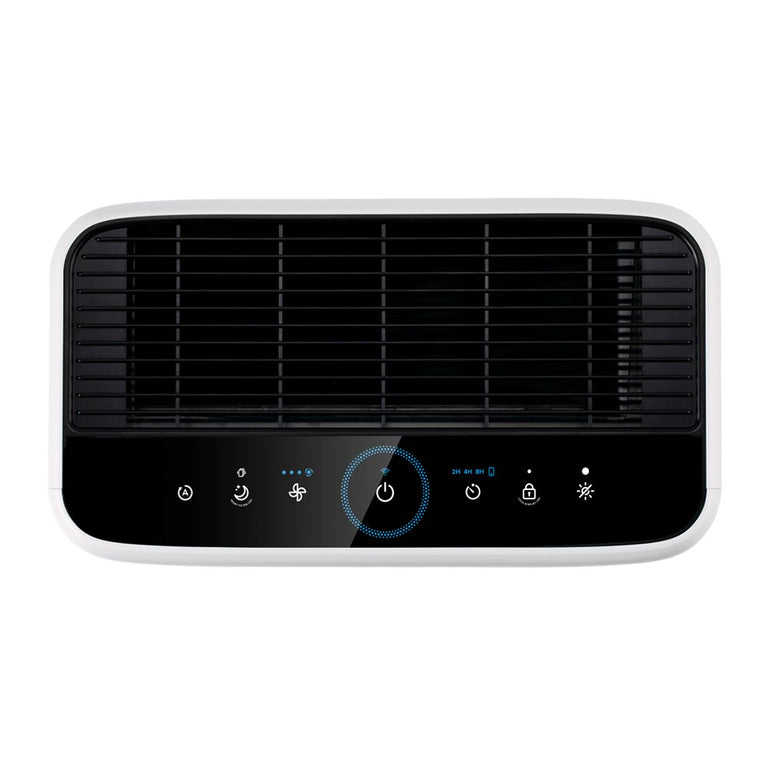
Air Purifiers
Air purifiers are designed to reduce airborne pollutants such as dust, pollen, smoke, and fine particulate matter through advanced filtration systems. Many models use high-efficiency filters that capture particles like PM2.5, helping to lower overall indoor pollutant levels.
Some purifiers also incorporate additional technologies to address certain gaseous pollutants, including VOCs. When used consistently and placed appropriately, air purifiers can support a clean and controlled indoor environment.
Humidifiers
Humidifiers help maintain balanced indoor moisture levels by adding water vapor or mist to the air, especially in dry environments or during colder months. Keeping humidity within an optimal range, typically between 30% and 50%, can improve overall indoor comfort and help influence how pollutants move and interact in the air.
Proper humidity levels may also reduce excessive dryness in the environment, which can affect both comfort and air quality perception. Regular cleaning and maintenance of humidifiers are important to prevent the buildup of unwanted particles or mold.
8 Tips To Maintain Air Quality
Maintaining indoor air quality requires consistent habits and awareness of environmental changes. Simple actions like opening windows, reducing clutter, and using low-emission products can help minimize pollutant buildup.
- Open windows regularly to improve ventilation and allow fresh air to circulate
- Use low-emission or low-VOC household and cleaning products
- Clean surfaces frequently to reduce dust and allergen buildup
- Maintain HVAC systems and replace filters as recommended
- Use kitchen and bathroom exhaust fans to remove moisture and pollutants
- Avoid indoor smoking or burning materials that release particles
- Monitor indoor conditions with an air quality monitor
- Check trends daily or weekly to help optimize ventilation and purifier use
How Poor Indoor Air Quality Impacts Your Skin
Airborne particles can settle on your skin and may cause irritation from environmental exposure. Research published in dermatological and environmental journals highlights how pollution can influence the skin barrier and overall skin condition. These effects are often associated with long-term exposure.
Additionally, imbalanced humidity levels can affect the skin’s natural moisture barrier. Low humidity may lead to dryness, while high humidity can create conditions that support microbial growth.
While indoor air quality is just one of many factors influencing skin, it plays a role in the environment your skin is exposed to daily. Maintaining balanced indoor conditions can help support overall comfort and wellness.
Practical Ways To Protect Your Air
Improving indoor air quality doesn’t require drastic changes. Small, consistent actions can have a meaningful impact.
Identify Sources of Pollution
Start by identifying potential sources of pollution, such as cleaning products or poor ventilation areas. Switching to low-VOC products and ensuring proper airflow can help reduce pollutant levels. Regular maintenance of HVAC systems also supports cleaner air circulation.
Use Air Monitoring & Air Purification Tools
Incorporating tools like an indoor air quality monitor allows you to track improvements and adjust your approach as needed. Combining monitoring with actions like ventilation and filtration creates a more controlled environment.
Over time, these practices can reduce exposure to poor air quality. The goal is to create a space that feels fresh, balanced, and comfortable.
Take Control of Poor Air Quality at Home
Creating a better indoor environment isn’t just about comfort. It’s also about what your skin is exposed to every day. Poor air quality can introduce particles, chemicals, and imbalances that become part of your surroundings over time.
Simple habits like monitoring air conditions, improving ventilation, and maintaining clean spaces can become part of a wellness routine. With the right approach, improving indoor air quality becomes both achievable and sustainable.
Article sources
California Air Resources Board. “Inhalable Particulate Matter and Health (PM2.5 and PM10).”
Dijkhoff, I.M., Drasler, B., Karakocak, B.B. Petri-Fink, A, Valacchi, G., Eeman, M., and Rothen-Rutishauser, B. “Impact of airborne particulate matter on skin: a systematic review from epidemiology to in vitro studies.”
Occupational Safety and Health Administration. “Indoor Air Quality.”
The information provided here is for informational and educational purposes only and should not be used in medical emergencies or for diagnosing or treating any medical condition. It's crucial to consult a licensed medical professional for diagnosis and treatment. External links are for informational purposes and do not constitute endorsements. No warranty of any kind, either expressed or implied, is made as to the products and/or the accuracy, reliability, timeliness, or correctness of the information provided herein.