


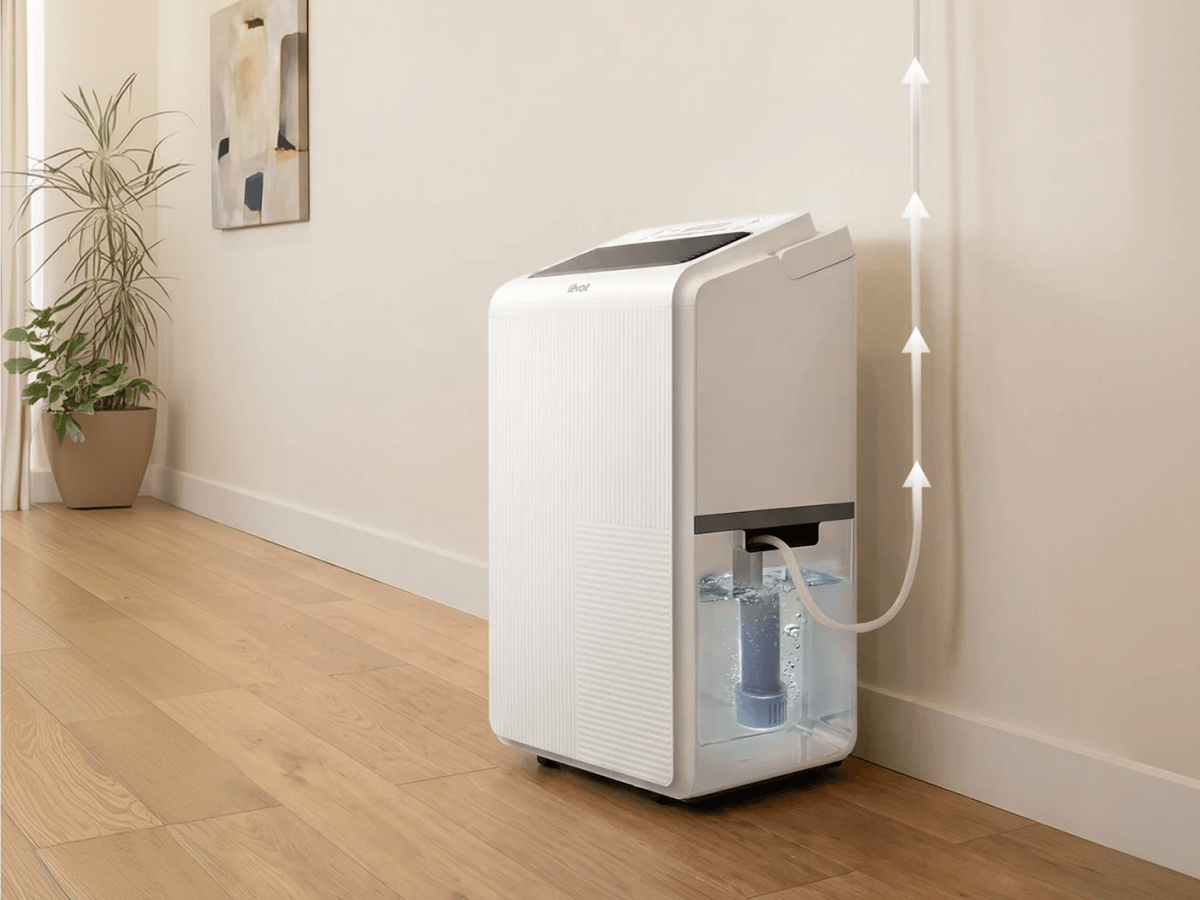
A musty smell that won't go away. Condensation beading on cool surfaces. A damp feeling in the air that no amount of tidying fixes. If this sounds like your basement, humidity is likely the culprit.
The EPA recommends keeping indoor humidity between 30 and 50 percent, noting that high humidity increases the likelihood of mold. Basements are especially prone to drifting outside that range given their below-ground location and limited airflow.
This guide covers how to identify, understand, and manage basement humidity, since keeping it in check is an ongoing process.
What Are the Signs of High Basement Humidity?
Before you can manage basement humidity, it helps to recognize the signs that it's already too high.
Musty Smells
A persistent musty odor is one of the earliest indicators of excess moisture, typically coming from mold or mildew developing in damp, poorly ventilated areas.
Condensation and Damp Surfaces
Watch for condensation on windows, pipes, walls, or other cool surfaces, a clear sign that indoor humidity is running higher than it should.
Mold and Mildew
Excess moisture creates the exact conditions mold and mildew need to grow. The EPA notes that maintaining relative humidity between 30% and 60% helps control mold and dust mites. Visible mold, especially in corners or along baseboards, signals elevated humidity over time.
Water Stains or Material Damage
Stains on walls or ceilings, peeling paint, or warped wood and drywall all point to ongoing moisture exposure worth checking for periodically.
What Is the Ideal Humidity Level for a Basement?
The same general guidance applies to basements as the rest of your home: the EPA recommends keeping indoor humidity between 30 and 50 percent. Basements tend to run higher due to their proximity to the ground and reduced airflow, so they often need more active monitoring to stay within that range.
Humidity readings can also shift with the seasons, commonly running more humid in summer and drier in winter. A single high reading isn't necessarily cause for alarm, but a basement that consistently sits above 50% points to an underlying issue worth addressing.
What Humidity Level Is Too High for a Basement?
Occasional spikes above 50%, especially during humid weather or right after rain, are common and not automatically a problem. What matters more is the pattern over time. A basement that consistently reads above 50% regardless of season signals that moisture is accumulating faster than it's being managed.
How to Measure Basement Humidity
A hygrometer, a small humidity monitor available at most hardware stores, is the most straightforward way to track basement humidity. Rather than relying on a single reading, check it periodically over several days or weeks to get a clearer picture of your basement's typical pattern.
Why Is My Basement So Humid?
Basement humidity generally comes from one of two places: actual water intrusion, or moisture already present in the indoor air. Telling these apart matters, since they call for different solutions.
Water Intrusion and Structural Moisture
Plumbing leaks, foundation seepage, cracks, and poor drainage can introduce water directly into a basement. These issues need to be addressed at the source; ventilation or dehumidification won't resolve an active leak.
Humid Outdoor Air and Seasonal Conditions
Even without structural problems, humid outdoor air can enter through windows, vents, or gaps in the building envelope, with warmer months typically pushing basement humidity higher.
Ground and Soil Moisture
Basements sit below grade, surrounded by soil that often holds moisture, especially after rain. This can gradually work through foundation walls, distinct from humid air simply drifting in.
Poor Ventilation and Air Circulation
Limited airflow allows moisture to linger rather than dissipate. Improving circulation helps to a degree, but it won't solve an underlying moisture problem on its own.
Condensation
When humid air contacts a cool surface, like a pipe or concrete wall, it can condense into visible moisture, one of the more noticeable signs of elevated humidity.
What Happens If Basement Humidity Is Too High?
Consistently high humidity is worth addressing before it becomes a bigger problem, both for your home and for what's stored in it.
Effects on Your Home and Belongings
Elevated humidity creates the conditions for mold growth, musty odors, and gradual moisture damage to walls, flooring, and stored items. Cardboard boxes, fabrics, and furniture are particularly vulnerable to absorbing moisture and developing mold over time.
Potential Health Considerations
Damp environments can support mold growth and increase exposure to indoor allergens, which may be a concern for people sensitive to mold or other airborne particles. High humidity itself isn't a direct cause of conditions like allergies or asthma, but it can contribute to an environment where common triggers, like mold and dust mites, are more likely to develop.
How to Manage Humidity in a Basement
Basement humidity control is an ongoing process rather than a single fix, and the right approach depends on where your moisture is actually coming from.

Address Water & Moisture Sources First
Start by fixing any active leaks, seepage, or drainage problems. A dehumidifier can help manage humidity in the air, but it cannot solve an underlying structural issue, so this step comes first.
Improve Air Circulation
Better airflow, through fans, open interior doors, or improved ventilation, can help reduce moisture buildup. Keep in mind that ventilation may not help much if the outdoor air itself is more humid than the air inside.
Monitor Humidity Levels
Regularly checking humidity with a hygrometer helps you track changes over time and catch rising trends before they become a bigger issue.
Use a Dehumidifier for Ongoing Humidity Control
Once structural moisture sources are addressed, a dehumidifier is one of the most effective tools for ongoing basement moisture control. Look for adjustable humidity settings, adequate capacity for your square footage, and a reliable drainage option so you're not emptying a tank constantly.
The Levoit Smart Dehumidifier with 24/7 Pump Drainage is built with continuous operation in mind, using a built-in pump to drain collected moisture automatically rather than requiring manual emptying, making it well suited for basements needing consistent, hands-off management.
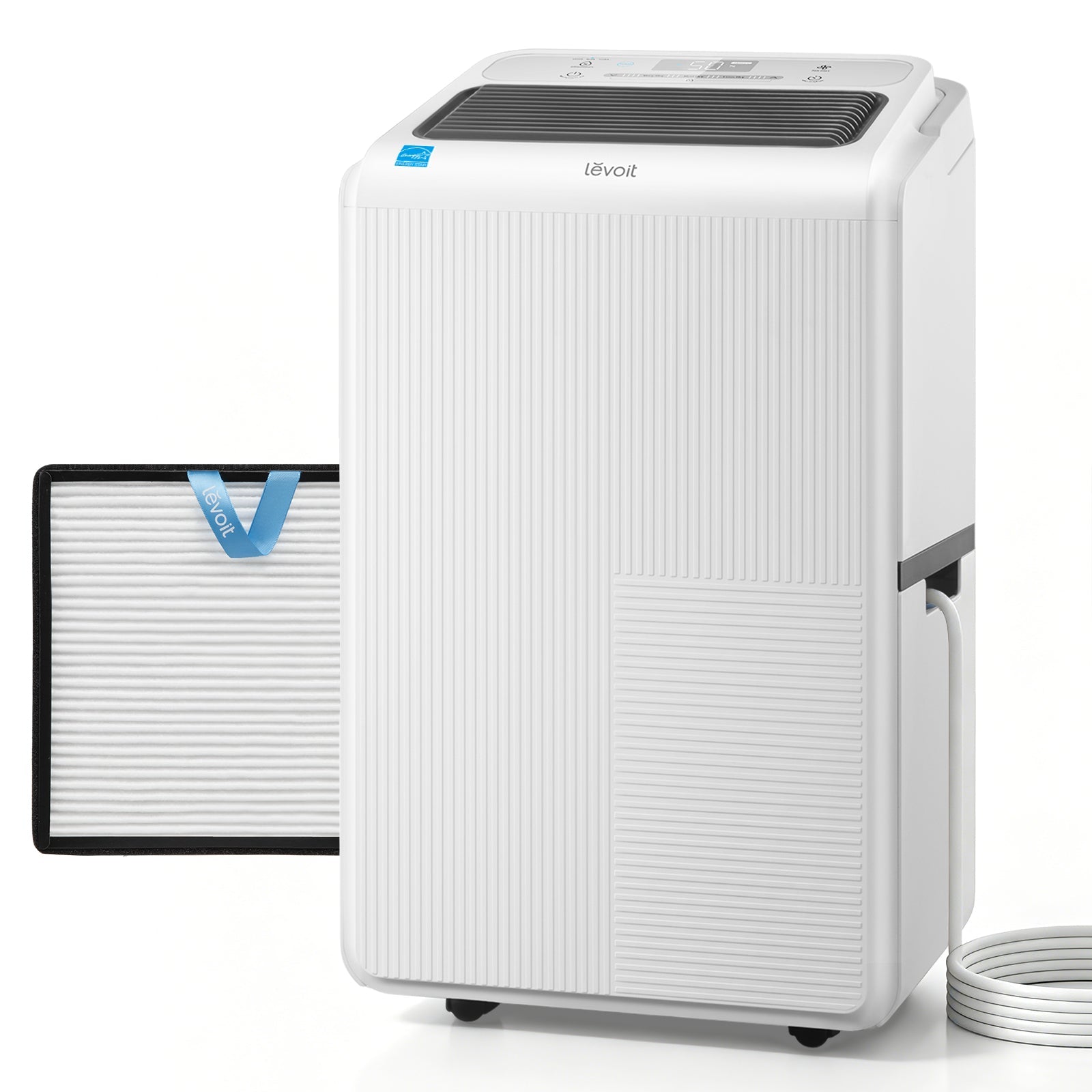
Levoit Smart Dehumidifier with 24/7 Pump Drainage
Best for: Basements needing consistent, hands-off moisture control
$299.99
Keeping Basement Humidity in Check
Ideal basement humidity generally falls between 30% and 50%, and watching for signs like musty odors, condensation, and visible moisture damage helps you catch problems early. Fixing the underlying moisture source, whether that's a leak or poor drainage, always comes first, while ongoing humidity control keeps the air itself in a healthy range.
A dehumidifier like the Levoit Smart Dehumidifier can play a key role in that ongoing management, helping keep your basement's air consistently within the ideal range without requiring constant manual attention.
Sources:
- U.S. Environmental Protection Agency. "Care for Your Air: A Guide to Indoor Air Quality."
- U.S. Environmental Protection Agency. "Biological Pollutants' Impact on Indoor Air Quality."
The information provided here is for informational and educational purposes only and should not be used in medical emergencies or for diagnosing or treating any medical condition. It's crucial to consult a licensed medical professional for diagnosis and treatment. External links are for informational purposes and do not constitute endorsements. No warranty of any kind, either expressed or implied, is made as to the products and/or the accuracy, reliability, timeliness, or correctness of the information provided herein.